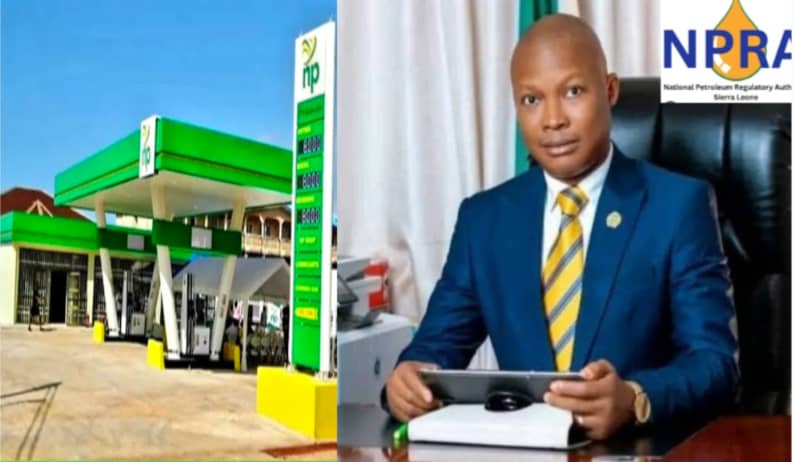
GOVERNMENT HOLDS THE LINE — $2.16M FUEL SUBSIDY ANNOUNCED TO SHIELD SIERRA LEONEANS FROM GLOBAL PRICE SHOCKS
The National Petroleum Regulatory Authority (NPRA) has confirmed that the Government of Sierra Leone is continuing to subsidise fuel prices as part of deliberate efforts to protect consumers and maintain economic stability.
In a statement released this week, the Authority announced that the subsidy will remain in effect for the current pricing window running from 15 July to 31 July 2026. The intervention is aimed at cushioning Sierra Leoneans from rising international petroleum costs and ensuring that regulated pump prices remain affordable across the country.
According to NPRA, the government is projected to spend approximately US$2.16 million to stabilise fuel prices during this period. The subsidy covers key petroleum products and is designed to prevent abrupt increases at the pump that could worsen the cost of living for households, transport operators, and businesses.
The NPRA noted that global oil markets remain volatile, with supply chain disruptions and international price hikes continuing to put pressure on importing countries. Without government intervention, consumers would face higher costs for fuel, transportation, and essential goods.
“This subsidy reflects government’s commitment to protecting the ordinary citizen,” the Authority stated. “By absorbing part of the international price increase, we are maintaining predictability and preventing shocks to the economy.”
The announcement comes at a time when many Sierra Leoneans are already grappling with rising costs. The decision to extend the subsidy through the end of July is expected to bring relief to bike riders, drivers, traders, and families who depend on stable fuel prices for their daily livelihood.
The NPRA reaffirmed that it will continue monitoring global trends and work with the Ministry of Finance to ensure transparency in the subsidy program.
For now, pump prices will remain regulated, giving consumers some breathing room as the world navigates another turbulent period in energy markets.